
Frequently asked questions
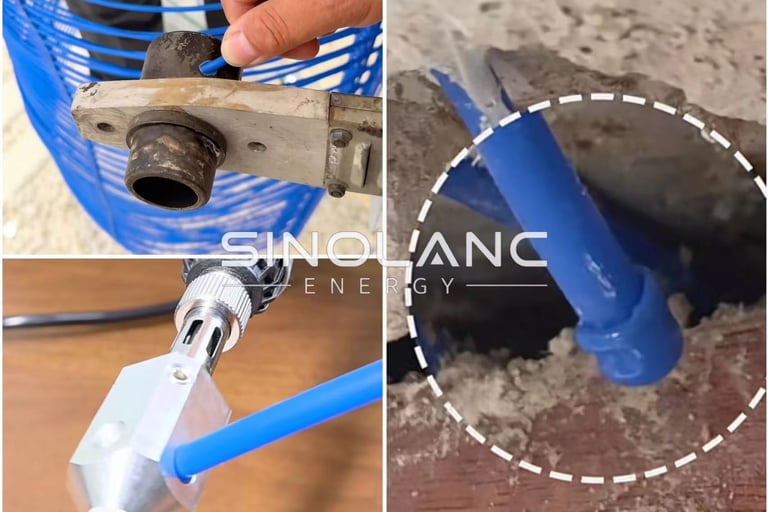
Q: What happens if a capillary tube is damaged during construction?Can it be fixed completely?
A: We should take good protective measures to prevent damage to the capillary mat. A section damaged capillary tube presents no problem and can be repaired without any expense.Just cut off the damaged section and fused the pipe on both sides. There is no longer any energy exchange via this capillary tube, but it is not noticeable in the total capacity.
Q: How can the capillary tube mat save energy?
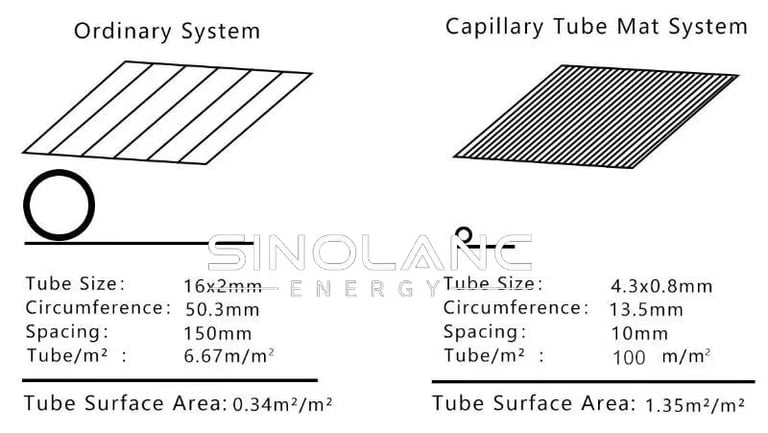
A: The capillary tube mat transfers heat primarily through radiation, and its ultra-dense layout delivers far larger heat exchange surface area than traditional systems.
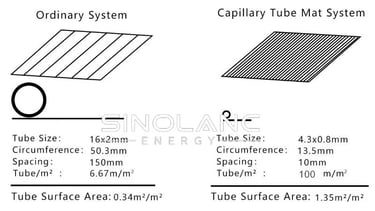
As shown in the diagram, capillary mats provide 4x more surface area per m² (1.35 m²/m² vs. 0.34 m²/m² of ordinary systems).
Thanks to this high efficiency, the required water temperature is much lower: just 28–32°C for heating and 16–18°C for cooling.
Compared with conventional HVAC systems, this significantly reduces energy consumption while maintaining a comfortable indoor climate.
Q: Is there condensation phenomenon when using cooling system?
How does condensation protection work?
A: The condensation phenomenon occurs only when the system temperature below the dew point. We would provide a reasonable and effective dehumidification system to make sure the system temperature always higher than dew point. In the meantime, a dew point sensor is installed for every cooling circuit. Once the condensation appears, the system will turn off the switch or raise the temperature steadily. And when the condensation disappears, the system will recover to the normal mode.
Q: Can silt in the capillary tube mat system?
A: Silting is not possible by reasonable design and rich construction experience.
1). The inner of capillary tubes is smooth enough to prevent silting for the normal scale.
2). Equipped with small filtration devices to prevent large particles from entering the capillary tubes.
3). Using only corrosion-resistant materials pipe and components in the system.
Q: Can the system calcify?
A: No. Experience has shown that lime build-up does not occur until temperatures of around 60°C and higher. Since the temperature level on cooling is around 10–20°C, lime can not form in the capillary tube mats system.
Q: Will the decorative layers crack?
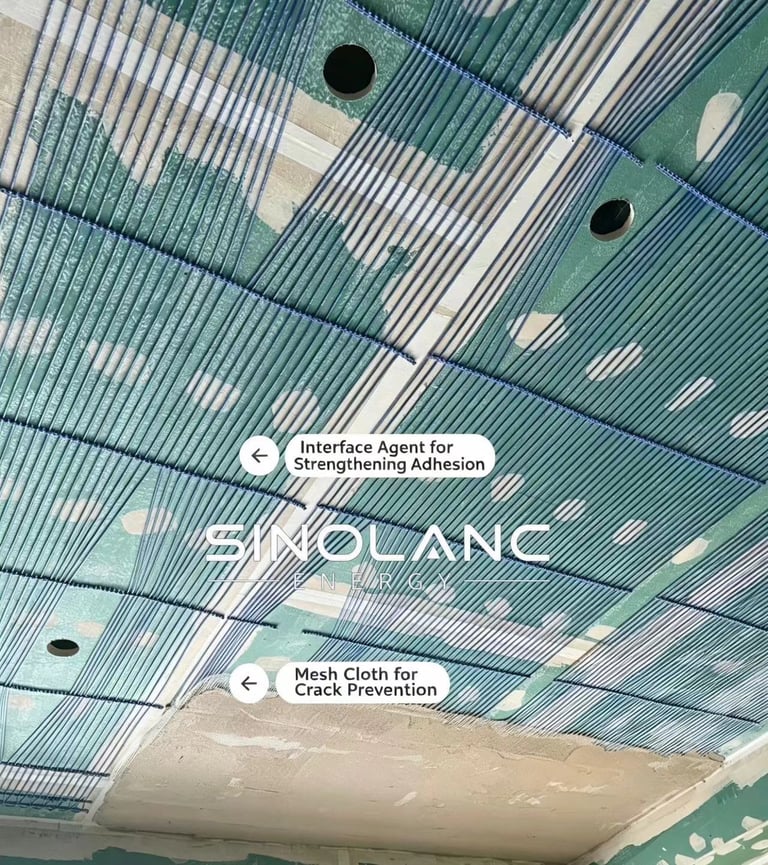
A: The wall temperature difference between heating and cooling is not exceed 20℃ which is not going to make the wall crack. We usually recommend the flexible polymer mortar and two glass fiber networks to prevent an empty drum when installation.
Q: What factors affect the selection of sinolanc capillary tube mats system?
1. The capillary tube mats spacing selection
2. Installation position: ceiling, wall or floor
3. Installation method: install directly, plastered, gypsum board, metal panel,etc.
4. The area of the installation room
5. Temperature difference between chilled water and indoor temperature, etc.;
6. The structure performance of the building
Any further questions, pls feel free to reach out!
Q: Will the decorative layers crack?
A: Sinolanc capillary mat system works for both cooling and heating. The operating temperature variation below 20°C, minimizing thermal expansion and contraction and preventing surface cracks. We also recommend flexible polymer mortar and fiberglass mesh to reinforce the structure for greater stability, prevent cracks from temperature changes or structural settlement.
Q: Will the small single of capillary tube leak easily?
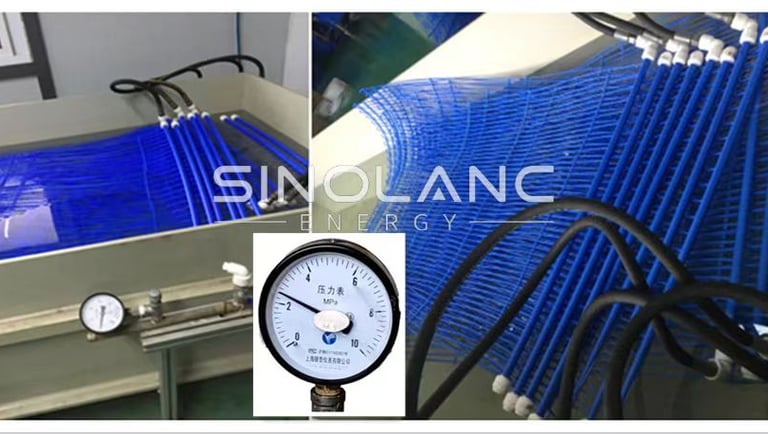
A: Every single of capillary tube mat is subjected to pressure and safety test of 20 bar to ensure the solidity of welding before delivery. The sinolanc capillary tube mats system is a closed system, as long as the correct installation will not leak. The water initially filled will continue to circulate through the system.
CONTACTS
P: +86 18920696269
E: energy@snlanc.com
ADDRESS
Sales Office : Floor 1-2 Henghua Building, Dagu South Street, Hexi District, Tianjin
Factory: No.6 Innovation Technology Park, Dongli District, Tianjin, China
Copyright © 2024 SINOLANC ENERGY